Hasan Ali ÇOLAK Air Conditioning and Refrigeration Technician
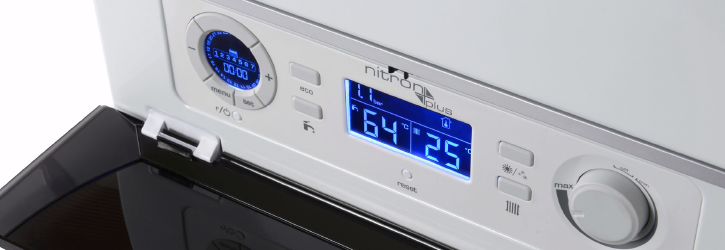
If you are considering buying a room thermostat but are unsure about its benefits, you’re in the right place. Room thermostats are beneficial, but under certain conditions, their benefits may turn into disadvantages. We’ll explain these situations in the following paragraphs.
What is a Room Thermostat?
A room thermostat is a device that regulates the temperature of a room by communicating with your heating system. There are various models available, including wired, wireless, programmable, and remotely controllable thermostats. The thermostat measures the room’s temperature and tells the heating system when to turn on or off based on the desired settings. For example, if you set your thermostat to 23°C, the heating system will stop once the room reaches that temperature.
Room thermostats provide both comfort and energy savings. To get the most out of your room thermostat, you should follow some best practices mentioned below.
Using a Room Thermostat in Insulated or Sunlit Buildings
If your building is well insulated, set your heating system temperature between 55°C and 75°C—65°C is recommended. For the room thermostat, set the temperature to 22-24°C when you are home. During the night or when you’re away, lower it to 14-18°C.
In insulated homes, avoid closing radiator valves. Ensure all radiators in every room, especially shared areas like the living room or hallway, remain open to maintain balanced heating.
How to Save Energy When Living Alone?
If you live alone, you can optimize your heating by understanding how your heating system operates. As an experienced professional, I recommend using a smaller room for daily use. Keep at least 4 meters of radiators open, and set the boiler temperature above 70°C. Use the thermostat as outlined above for maximum efficiency.
Using a Room Thermostat in Non-Insulated or Non-Sunlit Buildings
This section applies mostly to renters living in older, less insulated buildings. In such homes, use smaller rooms and avoid external-facing walls to reduce heat loss. Larger radiators are recommended for these buildings, and the more radiators you have, the better.
Install the thermostat in an interior room, away from external walls. Set the heating system to 75°C, and adjust the room thermostat to 20-23°C when at home and 17-19°C when away or during the night.
Benefits of Using a Room Thermostat
- Energy savings
- Increased comfort
- No need to manually adjust the heating system
- Programmed heating can warm your home before you arrive
- Healthier heating environment
Recommended Room Thermostats for Different Boiler Brands
If you own a Demirdöküm boiler, you should use a Demirdöküm thermostat. Some recommended models include:
- Exa Control 7 Wired Programmable Thermostat
- Exa Control 7R Wireless Programmable Thermostat
If you prefer a wireless model, ensure it’s compatible with your boiler. If the wiring is already in place, the wired model is an ideal choice. Otherwise, opt for the wireless model for easy installation.
For Vaillant boilers, I recommend the Vaillant VRT 35 F Wireless Thermostat, which is popular for its 0.5°C accuracy and ease of use.
How to Use a Room Thermostat
Once installed, set your boiler’s temperature to 55-65°C. This ensures the room reaches the desired temperature quickly and allows the thermostat to regulate the system. Set the thermostat to 22°C during the day and 18-19°C at night. When airing out the room in the morning, ensure the thermostat is turned off.
Recommended Wireless Room Thermostat
One of the most affordable and reliable wireless room thermostats is the General Mitra 250 RF Wireless Thermostat. It’s compatible with most boilers and easy to install and use.
For any additional questions about room thermostats, feel free to reach out via our contact page or leave a comment, and we’ll get back to you shortly.